Credit, made clear.
Five credit products reframed as one guided decision journey, built around what customers already understood.
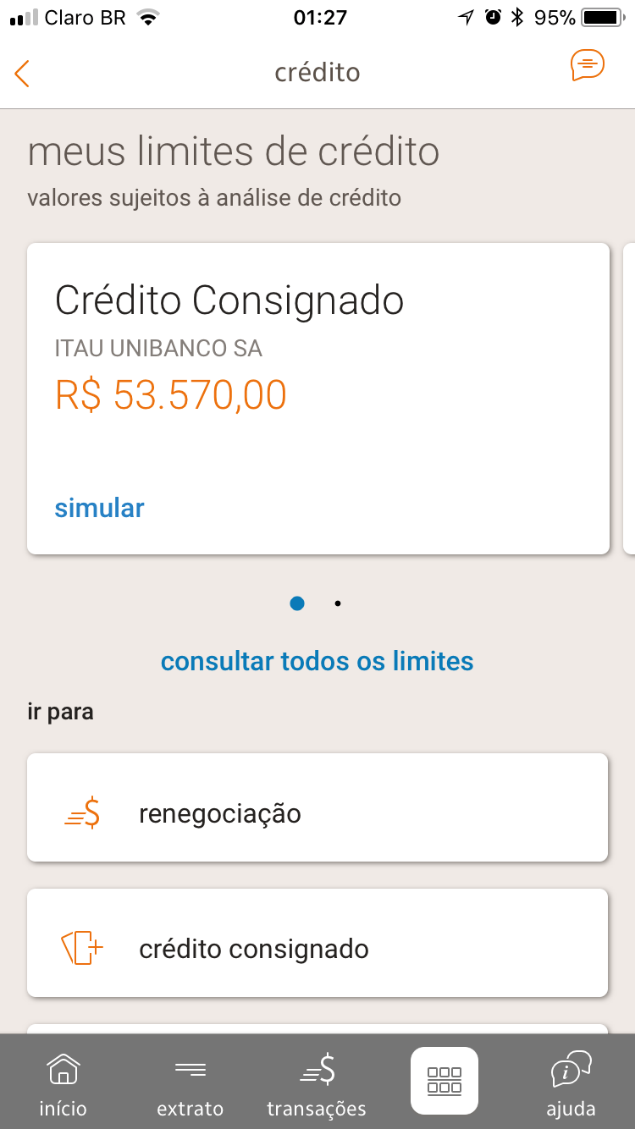
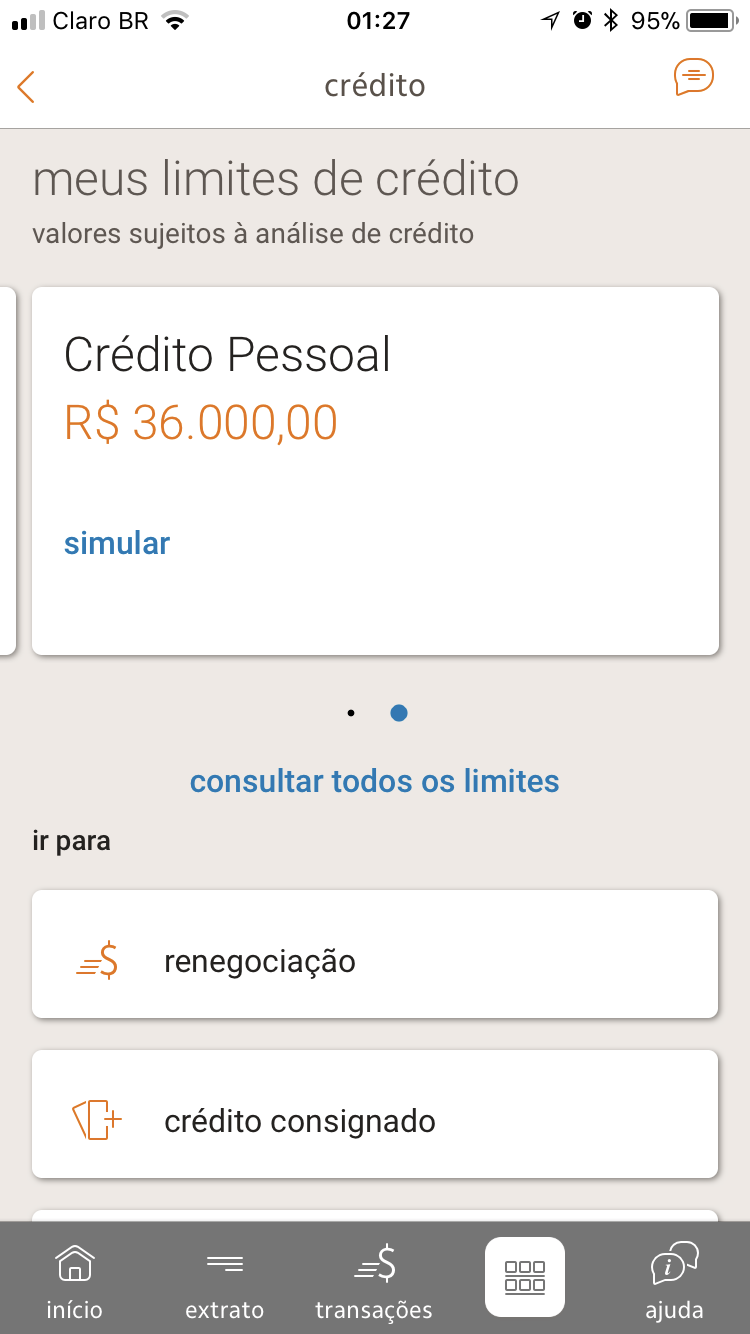
Discovery · Journey design · Validation
Explore ↓My contribution
I designed the journey end to end.
I worked from product framing and journey definition through interaction design, prototyping, validation and delivery alignment. Customer evidence, a co-creation workshop and product constraints turned a fragmented catalog into a journey people could understand without knowing product names.
- ProblemFive products · One customer need
- My roleLead Product Designer · End to end
- Key decisionAmount · Installments · Payment date
- Evidence+7.8% measured interaction signal
01 / The problem
People described the need, not the product.
Customers came to a branch wanting to renovate a home, solve an emergency or reorganize their finances.
“The customer never names the product they want. They want credit to renovate their home.”
Personalité branch manager
Preserve choice across five credit types without asking customers to understand the catalog first.
02 / Discovery
Find the language customers already used.
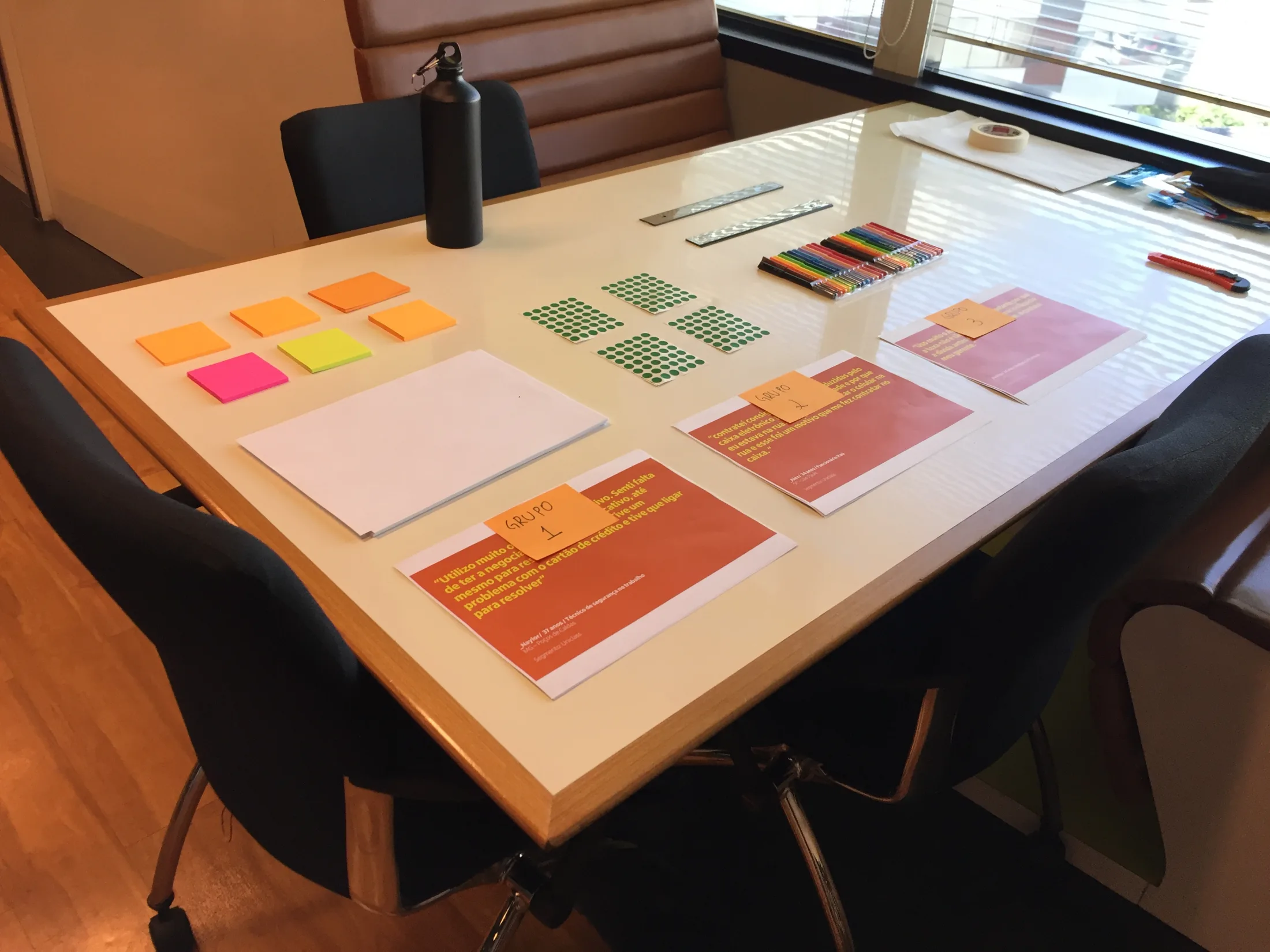
We mapped five credit types and used ten interviews to understand how people described needs and evaluated repayment.
- 5credit types mapped
- 10customer interviews
- 1co-creation workshop
03 / Design response
Three questions replaced product jargon.
We reframed the journey around information customers already knew.
- How much do you need?
- How many installments work for you?
- What is the best payment date?
These inputs became a shared decision model across five products, preserving choice without making product knowledge a prerequisite.
04 / Exploration
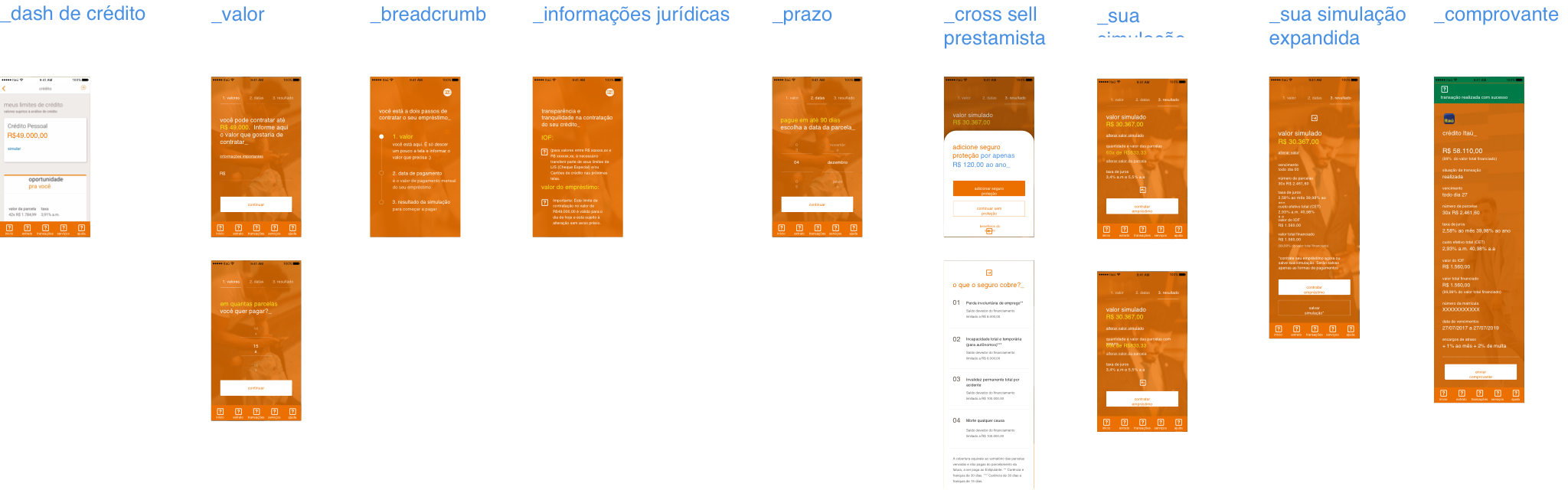
One model, tested from discovery to receipt.
The orange interface was a concept prototype created to test the decision model before it was adapted to Itaú's production design system.
05 / Validation
Test, refine, release.
The validation program involved 83 participants. In the first survey, only 17 of 36 respondents said the difference between simulation and contracting was clear. That was not good enough.
- 01
First test
The moment of commitment was not clear enough.
- 02
Refine
We adjusted the language, hierarchy and transition from simulation to contracting.
- 03
Retest and release
The revised journey validated successfully before moving into production.
Measured post-release signal
Home entry interactions increased 7.8%.
Average daily events increased from 9,648 to 10,397 during the three-month follow-up.
Interaction signal · not conversion, credit production or causal proof
Adjacent roadmap · Modeled
Separate lending initiatives quantified additional upside.
- R$5MExpected monthly incremental credit volume from bringing INSS renewal to mobile
- +2.5 ppTarget improvement in renewal-funnel efficiency
- R$4.4MExpected monthly incremental credit-production volume from the renewal redesign
Next case
My Fiat View ↘